Addis Ababa and its surrounding
Entoto Park
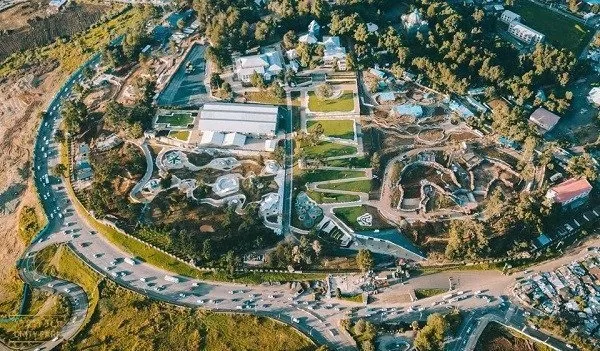
Entoto Park, perched atop the mountains surrounding Addis Ababa, is a stunning natural and recreational landmark developed under the leadership of Prime Minister Abiy Ahmed. Known as the “lung of Addis Ababa” due to its dense eucalyptus forests, the park offers a refreshing escape and serves as a popular training ground for Ethiopia’s world-class athletes. Entoto Park features a wide range of attractions, including sports facilities, playgrounds, restaurants, cafes, an artificial lake, cinemas, art galleries, and wellness centers, making it a prime destination for both relaxation and adventure. With free entry and vibrant activities available daily from 7 AM to 9 PM, the park has quickly become one of the city’s most cherished spaces.

Unity Park
Unity Park, located within Ethiopia’s historic Grand Palace in Addis Ababa, is a vibrant destination that brings together the nation’s royal heritage, rich cultural diversity, and captivating wildlife. Established under the leadership of Prime Minister Abiy Ahmed, the park offers visitors a unique experience with attractions such as the black-maned Ethiopian lions, diverse wildlife species, historical buildings from Emperor Menelik II’s era, cultural pavilions, and a beautiful aquarium. Open from Tuesday to Sunday, Unity Park stands as a symbol of Ethiopia’s unity and progress, making it an essential stop for anyone exploring the heart of the capital.
Addis Ababa Museum
The Addis Ababa Museum, established in 1986 to commemorate the city’s centenary, offers a vivid journey through the capital’s rich history. It houses remarkable portraits of key Ethiopian figures, including the formidable Empress Taitu, the charismatic Lij Iyasu, and the graceful Empress Zewditu, alongside rare images of Addis Ababa in its early years. One of the museum’s most captivating sections is the ‘first-in-Ethiopia’ room, which features historical milestones such as a photograph of Emperor Menelik II with Bede Bentley in the country’s first motor car in 1907 and Ethiopia’s first telephone, imported by Ras Makonnen in 1890—a device that once sparked fear among local priests who believed it to be the work of demons.

The National Museum of Ethiopia
The National Museum of Ethiopia is one of the most significant museums in sub-Saharan Africa, renowned for its rich and invaluable collections that span millions of years. It famously houses the 3.2-million-year-old skeleton of Lucy, a groundbreaking paleontological discovery. The museum is divided into four main sections: the basement, which showcases remarkable fossils and extinct species; the ground floor, which highlights historical treasures from the pre-Aksumite to the Gonderian periods, including ancient artifacts like bronze oil lamps and royal regalia; the first floor, which presents an impressive array of Ethiopian art from medieval parchments to modern masterpieces, such as Afewerk Tekle’s monumental African Heritage; and the second floor, which offers a diverse display of traditional Ethiopian weapons, jewelry, clothing, utensils, and musical instruments, reflecting the country’s vibrant cultural heritage.

Tiglachin/ our struggle/ monument
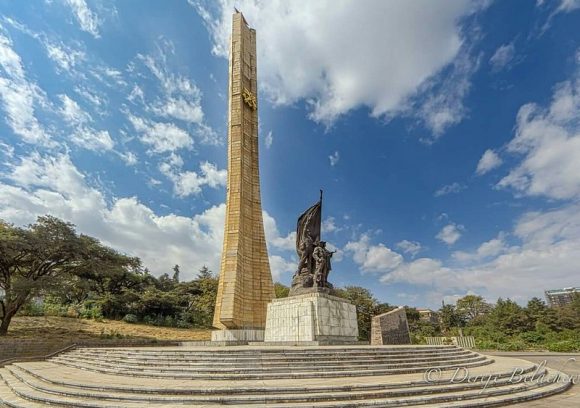
The Tiglachin Monument, located on Churchill Avenue in Addis Ababa, stands as a powerful memorial honoring Ethiopian and Cuban soldiers who fought in the Ogaden War. Commissioned by Colonel Mengistu Haile Mariam and inaugurated on September 12, 1984, the monument is a striking composition featuring a central statue, a 50-meter tall pillar, two detailed wall reliefs, and squares displaying portraits of Cuban soldiers. The monument embodies Marxist and socialist symbols, reflecting the ideological alignment of the era, while also denouncing Ethiopia’s imperial past. It serves as a historical reminder of international solidarity and the sacrifices made during the Ethiopian-Somali conflict.
Victory Monument/ Miyaziya 27 Square
The Victory Monument, also known as Miyaziya 27 Square, stands as a powerful symbol of Ethiopia’s liberation and resilience, commemorating the triumphant return of Emperor Haile Selassie I and Ethiopian patriots to Addis Ababa on May 5, 1941 (Miyaziya 27, 1933 E.C.), marking the end of five years of fascist occupation. Each year on this date, the square becomes the center of national celebration, where the head of state, Ethiopian patriots, and a police orchestra gather to honor the victory and the enduring spirit of freedom.

Holy Trinity Cathedra
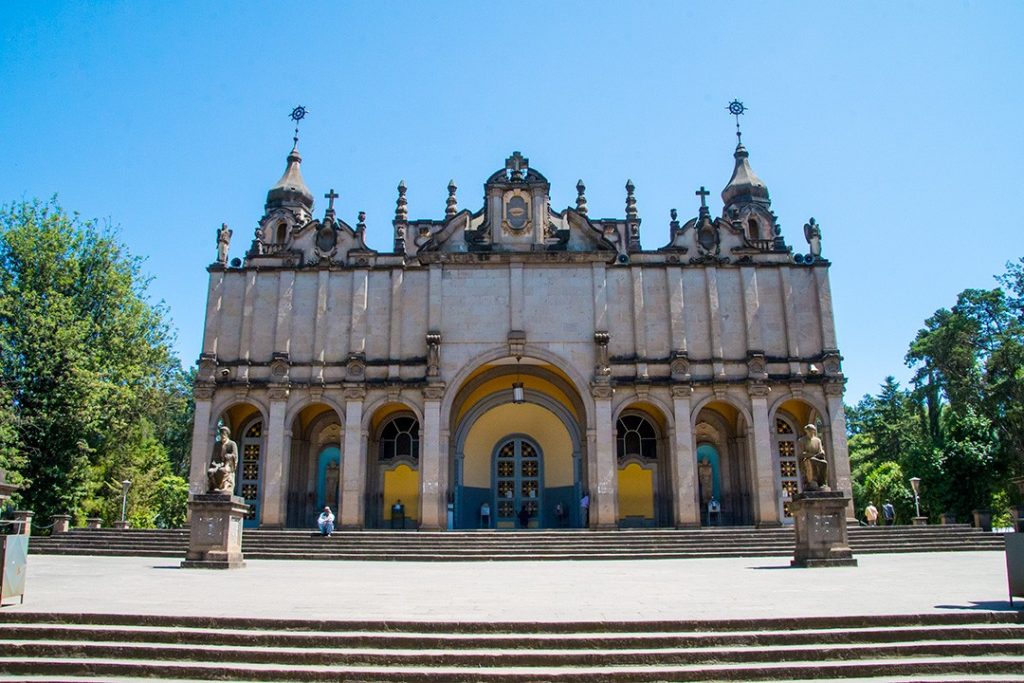
The Holy Trinity Cathedral, known in Amharic as Kidist Selassie, was built during World War II and stands as the highest-ranking Ethiopian Orthodox Tewahedo cathedral in Addis Ababa, Ethiopia. Constructed to commemorate Ethiopia’s liberation from Italian occupation, it holds great national significance and is considered the second most important place of worship in the country, following the Church of Our Lady Mary of Zion in Axum. The cathedral is renowned for its grand architecture, featuring a stunning blend of European and Ethiopian design elements, beautiful stained-glass windows, and intricate carvings that reflect the country’s deep religious heritage. It also serves as the final resting place for Emperor Haile Selassie and Empress Menen Asfaw, along with prominent patriots and artists who shaped modern Ethiopia. Beyond its religious importance, the Holy Trinity Cathedral is a powerful symbol of Ethiopian resilience, faith, and national pride.
Mercato Market
Merkato, the largest open-air market in Africa, spans several square miles in Addis Ababa and serves as a vibrant commercial hub employing an estimated 13,000 people across more than 7,100 businesses. Bustling with energy and rich in cultural diversity, Merkato offers a vast array of goods, with locally grown agricultural products—especially Ethiopia’s world-renowned coffee—being the primary commodities traded. The market is a dynamic reflection of Ethiopian daily life, where traditional practices and modern commerce intersect, creating an unforgettable sensory experience filled with colorful stalls, aromatic spices, handcrafted goods, and the lively rhythm of negotiation and exchange. Merkato is not just a marketplace—it is a vital economic and social artery that embodies the spirit and resilience of the Ethiopian people.

Menelik II Square
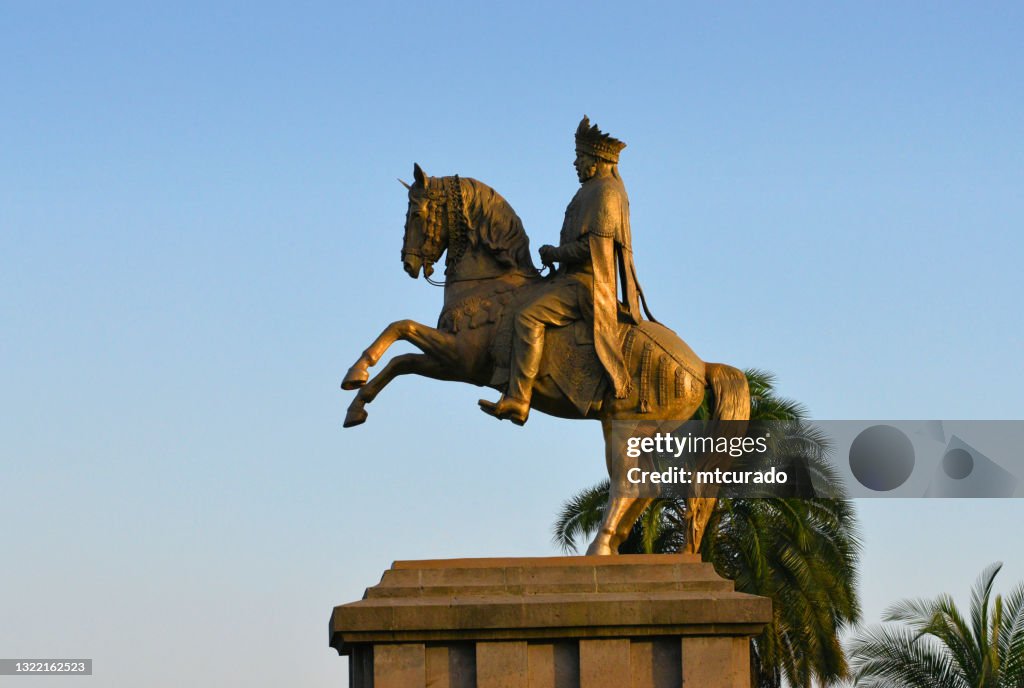
Menelik II Square, situated in the heart of Addis Ababa in the area locally known as Arada, is a historic and culturally significant landmark. At the center of the square proudly stands a magnificent equestrian statue of Emperor Menelik II, a revered figure credited with founding the city and leading Ethiopia to victory at the Battle of Adwa. The monument was commissioned and erected by Emperor Haile Selassie I in 1930, shortly before his own coronation, as a tribute to Menelik II’s legacy of unity and resistance against colonial forces. Surrounded by bustling streets and key government buildings, the square remains a central gathering place and a symbol of national pride, commemorating Ethiopia’s enduring independence and the visionary leadership of Emperor Menelik II.

Shiro Meda Market
Shiro Meda is one of the most remarkable destinations in Addis Ababa for purchasing locally made Ethiopian cotton clothing for both women and men. Known for its vibrant selection of traditional handwoven garments, including the famous habesha kemis and gabi, Shiro Meda offers a rich showcase of Ethiopia’s textile artistry. Beyond clothing, visitors can also find a variety of authentic handmade gifts, such as necklaces, jewelry, and other cultural accessories, making it an ideal place to experience Ethiopian craftsmanship and take home meaningful souvenirs that reflect the country’s heritage.

Friendship Park
Friendship Park, located in the Arada neighborhood near the city center of Addis Ababa, is a vibrant and cherished public space that holds deep historical and cultural significance. At its heart stands the striking Martyrs’ Memorial Monument, dedicated to the Ethiopian heroes who bravely sacrificed their lives during the Italian occupation from 1936 to 1941. The park offers beautifully landscaped green spaces, shaded by trees and adorned with colorful flower beds, creating a peaceful retreat where visitors can relax, enjoy picnics, or take leisurely strolls. Friendship Park is also a lively cultural hub, frequently hosting concerts, exhibitions, and community events that celebrate Ethiopia’s rich artistic heritage through music, dance, and visual arts. The area is bustling with street vendors offering traditional crafts, local clothing, and a variety of Ethiopian street foods, making it a great place to experience authentic local flavors and craftsmanship. As a popular gathering spot for both locals and tourists, the park serves as a social and recreational center where people come together to converse, play games, and enjoy the dynamic atmosphere of Addis Ababa. Surrounded by key landmarks such as the National Museum of Ethiopia, Holy Trinity Cathedral, and the Ethiopian National Theatre, Friendship Park is not only a place of relaxation and cultural expression but also a gateway to some of the city’s most significant attractions.

Oromo Cultural Center
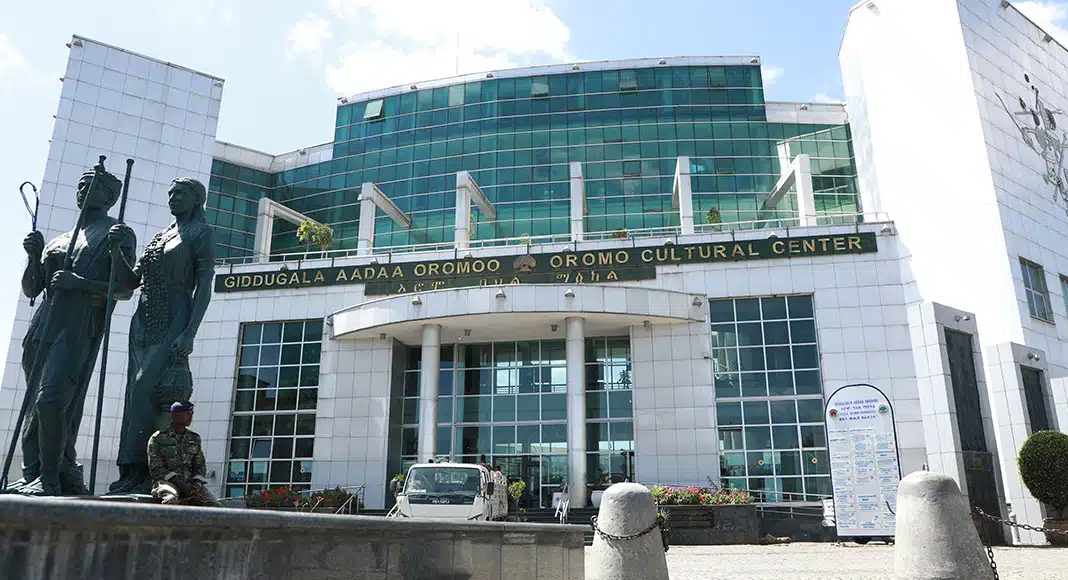
The Oromo Cultural Center in Addis Ababa is an essential destination for anyone interested in exploring the rich heritage of the Oromo people, Ethiopia’s largest ethnic group. The center offers an immersive experience, showcasing traditional Oromo music, dance, clothing, artifacts, and historical exhibits that provide deep insights into the community’s vibrant culture and proud history. Visitors can further enrich their understanding by exploring local markets such as Merkato and Shiro Meda, where a wide variety of traditional Oromo crafts, textiles, and artworks are available, creating an opportunity to engage directly with local artisans and traders in a lively, authentic setting. Connecting with Oromo communities and cultural organizations within the city offers an even more personal experience, opening doors to learning about daily life, customs, and long-standing traditions from the people themselves. Additionally, the city frequently hosts cultural performances featuring Oromo music, dance, and storytelling—unique events that can often be found through local event listings, hotels, or cultural centers. Together, these experiences provide a meaningful and comprehensive journey into the heart of Oromo culture in Addis Ababa.

Debre libanos monastery
Debre Libanos Monastery, located about 110 kilometers north of Addis Ababa, is one of Ethiopia’s most significant religious and historical sites. Founded in the 13th century by Saint Tekle Haymanot, a revered figure in the Ethiopian Orthodox Church, the monastery serves as a vital center of spiritual life, pilgrimage, and religious scholarship. Set against a backdrop of dramatic cliffs and the stunning Jemma River Gorge, the monastery features beautiful stained-glass windows, impressive religious art, and a peaceful atmosphere that invites reflection. Debre Libanos also bears the memory of a tragic massacre carried out by Italian forces in 1937, marking it as a site of both reverence and national remembrance. Nearby, the famed Portuguese Bridge offers breathtaking views of waterfalls and the surrounding landscape, adding to the monastery’s appeal as a destination where history, faith, and natural beauty converge.

Lake wonchi
Lake Wonchi, located about 120 kilometers west of Addis Ababa, is a stunning volcanic crater lake renowned for its pristine natural beauty and serene atmosphere. Nestled within the caldera of an ancient volcano, the lake is surrounded by lush forests, rolling hills, and dramatic cliffs, making it a popular destination for hiking, horseback riding, and nature exploration. At the center of the lake lies an island with the historic Wonchi St. Mary’s Church, a centuries-old monastery accessible by boat or on foot, adding cultural and spiritual significance to the picturesque setting. Lake Wonchi offers visitors a peaceful retreat from the city, where the combination of breathtaking landscapes and rich history creates a memorable experience in Ethiopia’s highlands.