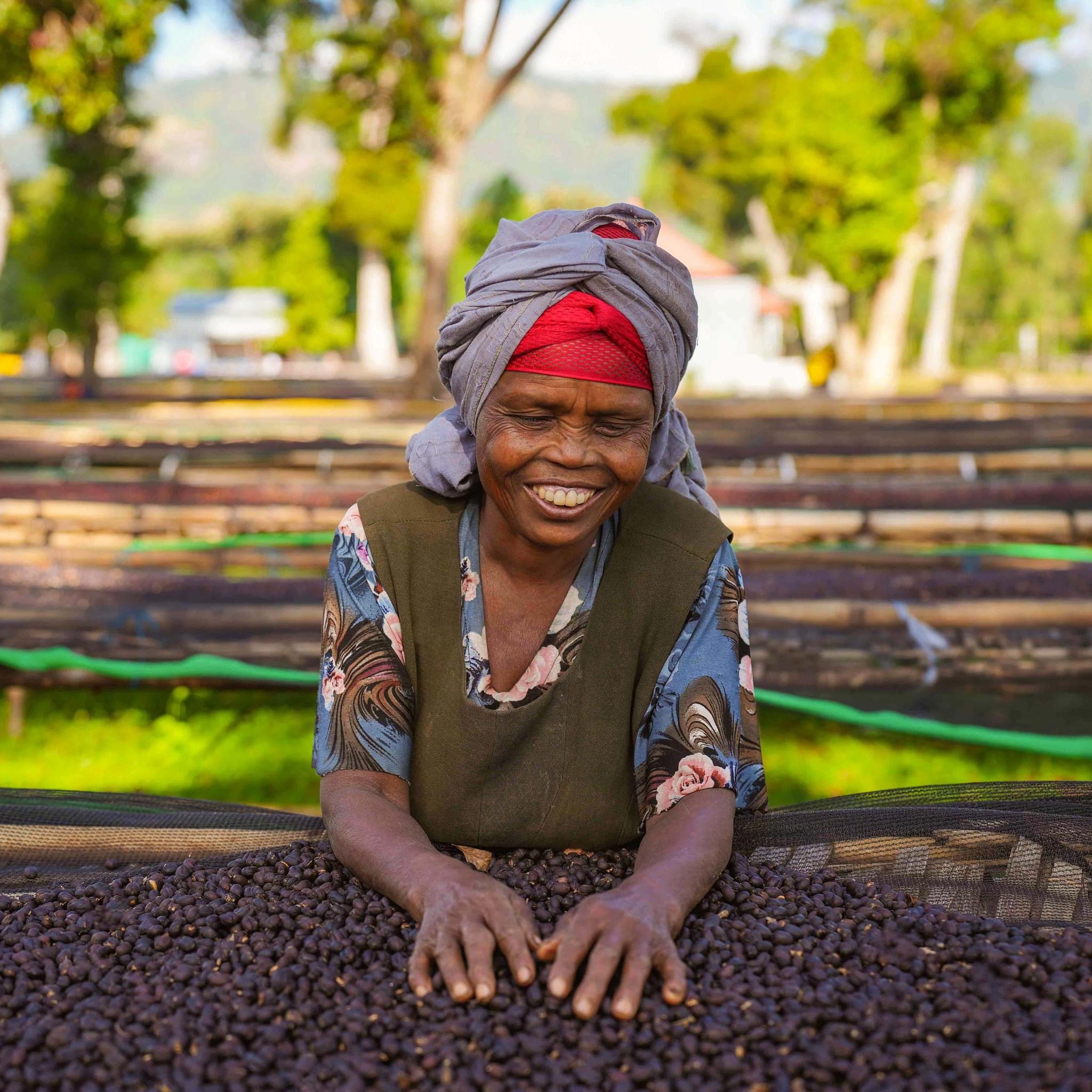
Coffee of Birth
Coffee of Birth – Ethiopia’s Gift to the World
Ethiopia is globally recognized as the birthplace of Arabica coffee, where the legendary bean was first discovered in the lush forests of the Kaffa region. According to tradition, a 9th-century goat herder named Kaldi noticed his goats became unusually energetic after eating berries from a certain tree—what we now know as the coffee plant.
A Cultural Experience
In Ethiopia, coffee is far more than a drink; it is a ceremony, a heritage, and a way of life. Visitors can witness or participate in the traditional Ethiopian coffee ceremony, where beans are freshly roasted over open flames, hand-ground, and brewed in a jebena (clay pot). This process is slow and respectful, often taking up to an hour, and typically served in three rounds: abol, tona, and bereka.
Coffee Regions & Tours
Major coffee-growing regions include:
Kaffa – The original home of wild Arabica coffee.
Sidama & Yirgacheffe – Known for bright, floral, and citrusy flavor profiles.
Harrar – Famous for its bold, wine-like coffees with hints of spice.
Jimma & Limu – Offering balanced, earthy flavors with smooth finishes.
Each region provides distinct tasting notes and unique cultivation stories, making Ethiopia a top destination for coffee tourism.
Why It Matters
Ethiopian coffee is organically grown and hand-harvested, often under the shade of native trees, using traditional, sustainable methods passed down through generations. It is considered among the highest quality in the world and plays a vital role in the country’s economy and identity.