The South Ethiopia
The Omo National park
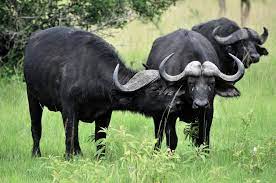
Omo National Park, one of Ethiopia’s largest and most remarkable wildlife reserves, offers an exceptional experience where vast plains reveal an abundance of mammal species at a single glance. The life-giving Omo River flows through the park, nurturing its pristine landscapes and supporting a rich variety of animals such as elephants, lions, giraffes, cheetahs, buffaloes, and the rare African wild dog. The park is also a haven for bird enthusiasts, featuring species like the Eastern Gray Plantain-eater, Verreaux’s Eagle Owl, and the Spotted Thick-knee. Unspoiled by modern development, Omo National Park presents a rare opportunity to explore untouched nature and encounter ancient, living cultures in their most authentic form, making it one of Ethiopia’s most extraordinary destinations for both wildlife and cultural exploration.
Grate Rift Valley Lakes

Arba minch and Nech sar National Park
Arbaminch, often called the gateway to Ethiopia’s southern regions including the Omo Valley, is a city blessed with remarkable natural beauty, nestled between two vast lakes—Abaya and Chamo. Named after its abundant springs and fed by the Kulfo River, Arbaminch lies on the edge of Nechisar National Park, a unique ecological area featuring lush forests, diverse wildlife, and stunning landscapes such as God’s Bridge, a natural isthmus of dense acacia scrub separating the two lakes. Visitors to Nechisar National Park can enjoy close encounters with Nile crocodiles basking on Lake Chamo’s shores, observe a rich variety of bird species, and explore the crocodile ranching farm. Additionally, Arbaminch’s fertile surroundings make it a key region for Ethiopia’s banana production, adding agricultural charm to its natural wonders. Together, Arbaminch and Nechisar National Park offer a captivating blend of wildlife, scenic beauty, and cultural richness that highlights the southern Ethiopian experience.

Dorze Village
Dorze Village, nestled in the Gamo Highlands of southern Ethiopia near Chencha and Arba Minch, is home to the unique Dorze people, an Omotic-speaking ethnic group renowned for their exceptional weaving skills and distinctive lifestyle. With a population of around 30,000, the Dorze inhabit elevated hillsides, living in iconic towering huts that resemble giant beehives—structures ingeniously designed to last decades and even be relocated when necessary. Their culture thrives on traditional crafts, including weaving, local liquor production, and preparing kocho, a bread made from false banana. Visitors to Dorze Village are captivated by the breathtaking landscapes, intricate hut architecture, vibrant traditional costumes, and the warm hospitality embodied in their customs and cuisine, making it a must-visit destination in Ethiopia’s Southern Nations region.

Lower Omo Valley
The Lower Omo Valley, nestled near where the Omo River flows into Lake Turkana, is a remarkable UNESCO World Heritage Site renowned for its unparalleled cultural diversity and rich anthropological significance. This remote region is home to more than a dozen indigenous ethnic groups, such as the Mursi and Hamar, who fiercely preserve their unique traditions, languages, and distinctive body art, living largely untouched by modern influences. The valley’s lifeblood, the Omo River, sustains the dry savannah ecosystem, supporting communities whose lifestyles have remained consistent for centuries, deeply rooted in cattle herding and ritual practices like bull-jumping. Visiting the Lower Omo Valley offers a rare and profound cultural immersion into one of the world’s last bastions of traditional indigenous life.

Konso: Cultural Landscape
The Konso Cultural Landscape, a UNESCO World Heritage Site since 2011, showcases the remarkable harmony between the Konso people and their challenging semi-arid environment, where they have ingeniously transformed 230 km² of rocky hills into fertile agricultural terraces. Distinguished by ancient hilltop paleta villages fortified with multiple concentric basalt walls and marked by towering generation poles from sacred forests, the landscape reveals a deep cultural continuity spanning over 750 years. The Konso’s unique traditions are embodied in their carved waka grave-markers, megalithic stone obelisks commemorating heroic age-sets, and communal reservoirs, all reflecting a resilient society rooted in defense, agriculture, and ancestral reverence. Visitors can explore vibrant villages such as Mecheke and Dokatu, witness the generational mora houses, and experience the sacred Kalla Forest and striking natural formations like the Gesergiyo pinnacles, making Konso an extraordinary living cultural and natural heritage.