
Introduction
In the heart of East Africa lies a land of ancient wonders, diverse cultures, and breathtaking landscapes. Ethiopia, often referred to as the cradle of humanity, is steadily emerging as one of Africa’s most captivating tourism destinations. While often overlooked in favor of more traditional hotspots, Ethiopia offers a unique blend of history, spirituality, and natural beauty that is unmatched across the continent.
A Heritage That Dates Back Millennia
Ethiopia’s story begins not just in ancient history—but in prehistory. As the land where Lucy, the 3.2-million-year-old hominid was discovered, Ethiopia holds a central place in human evolution. But its historical appeal doesn’t stop there. The ancient city of Aksum, once the capital of a powerful kingdom, is home to towering obelisks and legends of the Ark of the Covenant. Meanwhile, Lalibela’s rock-hewn churches—carved entirely out of solid rock in the 12th century—stand as a testament to Ethiopia’s deep-rooted Christian heritage.
Cultural Mosaic
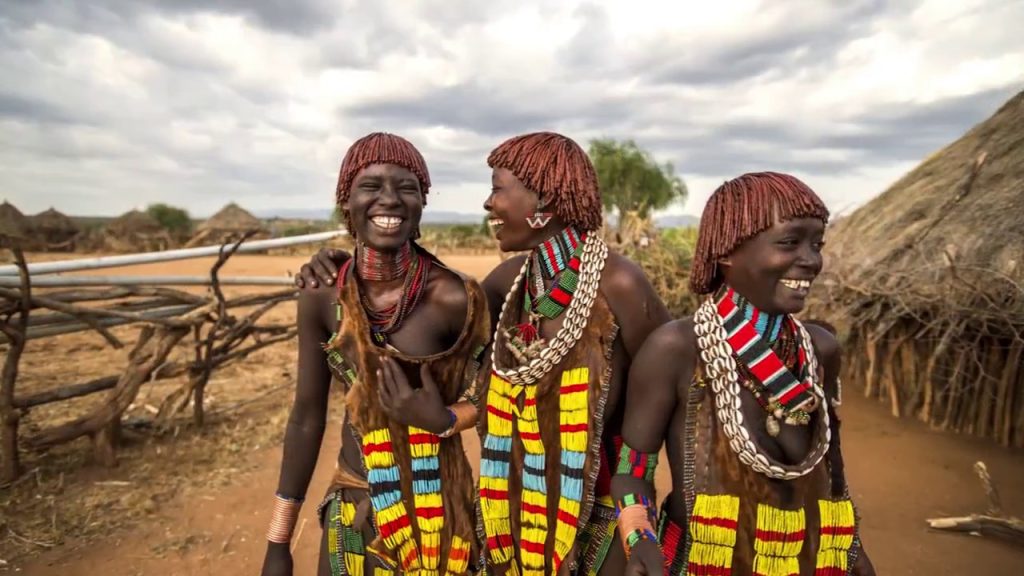
Ethiopia is one of the most ethnically diverse countries in the world, with over 80 distinct ethnic groups and languages. From the rich coffee ceremonies of the Oromo to the vibrant festivals of the Amhara, and the centuries-old traditions of the Hamar and Mursi tribes in the South Omo Valley, Ethiopia offers a living museum of cultures and traditions that remain largely intact and authentic.
Stunning Natural Beauty
Beyond its historical and cultural treasures, Ethiopia boasts an astonishing variety of landscapes. The Simien Mountains, often referred to as the “Roof of Africa,” provide some of the most dramatic trekking routes in the world. The Danakil Depression, one of the hottest and most inhospitable places on Earth, stuns visitors with its neon-colored sulfur springs and vast salt flats. Lakes, highlands, and lush valleys dot the landscape, providing habitats for endemic wildlife like the Gelada baboon and Ethiopian wolf.
Spiritual and Religious Significance
As one of the oldest Christian nations in the world, Ethiopia’s religious landscape is rich and vibrant. Timket (Epiphany), Meskel (Finding of the True Cross), and Fasika (Ethiopian Easter) are just a few of the many colorful religious festivals celebrated across the country. Meanwhile, the ancient Islamic city of Harar—recognized as the fourth holiest city in Islam—is a UNESCO World Heritage site and a symbol of Ethiopia’s religious tolerance and diversity.
An Untapped Opportunity
Despite its tremendous potential, Ethiopia’s tourism sector remains relatively underdeveloped. Yet this is part of its charm. Travelers seeking authentic, off-the-beaten-path experiences will find Ethiopia refreshingly untouched by mass tourism. With recent improvements in infrastructure and growing interest from international investors, the country is on the cusp of becoming a major player in the African travel industry.
Conclusion
Ethiopia is not just a destination—it is an experience. A land where time slows down, where the past lives in the present, and where visitors leave with more than just photos—they leave with stories, memories, and a new perspective. As the world looks for authentic, meaningful travel experiences, Ethiopia is poised to take its rightful place on the global tourism map.
Let me know when ready to continue with the next blog post. Future topics could include:
- “Top 10 Must-Visit Destinations in Ethiopia”
- “A Cultural Guide to Ethiopian Festivals”
- “Adventure Travel in Ethiopia: Trekking, Hiking & Wildlife”
- “The Coffee Trail: Exploring Ethiopia’s Birthplace of Coffee”

