
Introduction
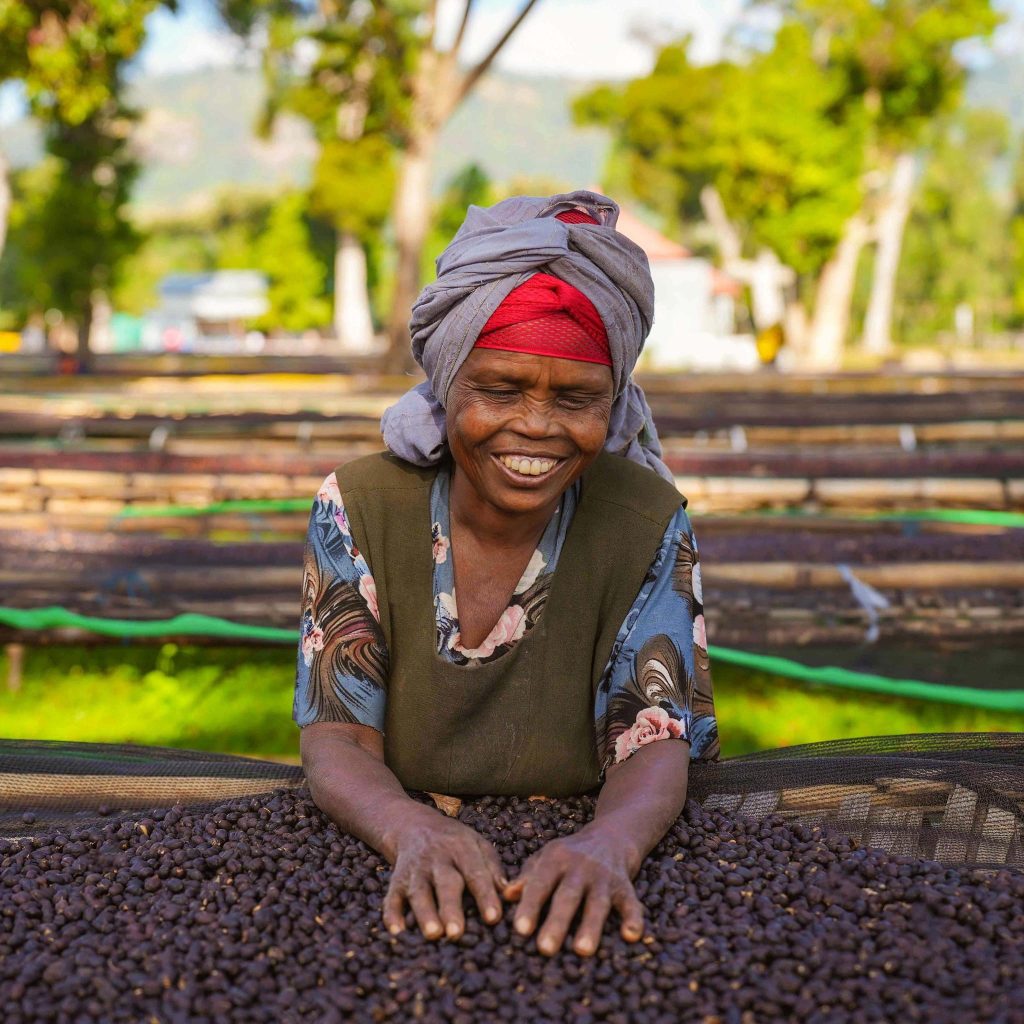
Coffee is more than just a beverage in Ethiopia—it is a sacred tradition, a social ritual, and a deep-rooted part of the nation’s identity. As the birthplace of Arabica coffee, Ethiopia offers travelers the rare opportunity to experience coffee not only as a global commodity but as a cultural journey. From the ancient coffee forests of Kaffa to the highland farms of Sidama and Yirgacheffe, the Ethiopian Coffee Trail is a must for enthusiasts of heritage, flavor, and authenticity.
The Origin of Coffee: Where It All Began
Legend tells of a goat herder named Kaldi, who discovered the energizing effects of coffee beans in the Kaffa region over a thousand years ago. This discovery sparked what would become a global phenomenon. Today, Kaffa remains a lush, green highland zone where wild coffee still grows in the forests, offering visitors a chance to walk through the ancient roots of the world’s favorite drink.
Cultural Experience: The Ethiopian Coffee Ceremony
The Ethiopian coffee ceremony is a slow, elegant ritual that goes beyond mere consumption. Fresh green coffee beans are roasted over hot coals, hand-ground, and brewed in a traditional clay pot called a jebena. The aroma, the pouring of three rounds (abol, tona, baraka), and the sharing among family, friends, or guests make it a powerful symbol of hospitality and respect. Participating in this ceremony is not just about drinking coffee—it’s about connecting with Ethiopian values of community, presence, and mindfulness.
Key Coffee Regions to Explore
- Yirgacheffe
Known for its bright acidity, floral aroma, and complex flavors, Yirgacheffe produces some of the most sought-after specialty coffee in the world. Visitors can tour farms, observe processing stations, and enjoy tastings at the source. - Sidama
A fertile highland region that produces both washed and natural coffee. Sidama beans are often fruity and balanced, and the region’s welcoming communities and beautiful landscapes make it ideal for agritourism. - Guji
A rising star in the coffee world, Guji offers bold, spicy, and sometimes wine-like profiles. Its remote beauty and less commercialized farms provide a raw and intimate coffee exploration experience. - Kaffa
The origin point of Arabica coffee, Kaffa offers wild coffee forest tours, ecotourism lodges, and cultural immersion opportunities. It’s the perfect blend of heritage and nature.
Coffee Tourism: What to Expect
- Farm Visits & Tastings: Learn the lifecycle of coffee from bean to cup.
- Processing Tours: Observe traditional and modern methods, including wet and dry processing.
- Home Ceremonies: Experience hospitality in local homes with real coffee rituals.
- Coffee Festivals: Attend regional events celebrating harvests, culture, and coffee innovations.
- Forest Treks: Discover Ethiopia’s native coffee in its natural habitat.
Why Coffee Matters in Ethiopia
Coffee accounts for more than 30% of Ethiopia’s export revenue and supports millions of smallholder farmers. But beyond the economy, it’s deeply embedded in social life—used in celebrations, conflict resolution, and spiritual practices. Exploring Ethiopia through its coffee opens doors to understanding its people, values, and way of life.
Conclusion
To walk the Ethiopian Coffee Trail is to travel through history, flavor, and tradition. It’s a journey that invites visitors to slow down, engage with local communities, and discover the roots of a beverage that has connected people across the globe. For the curious traveler, Ethiopia doesn’t just offer coffee—it offers origin, authenticity, and the stories behind every cup.

